Lunch with the locals tour goes live!

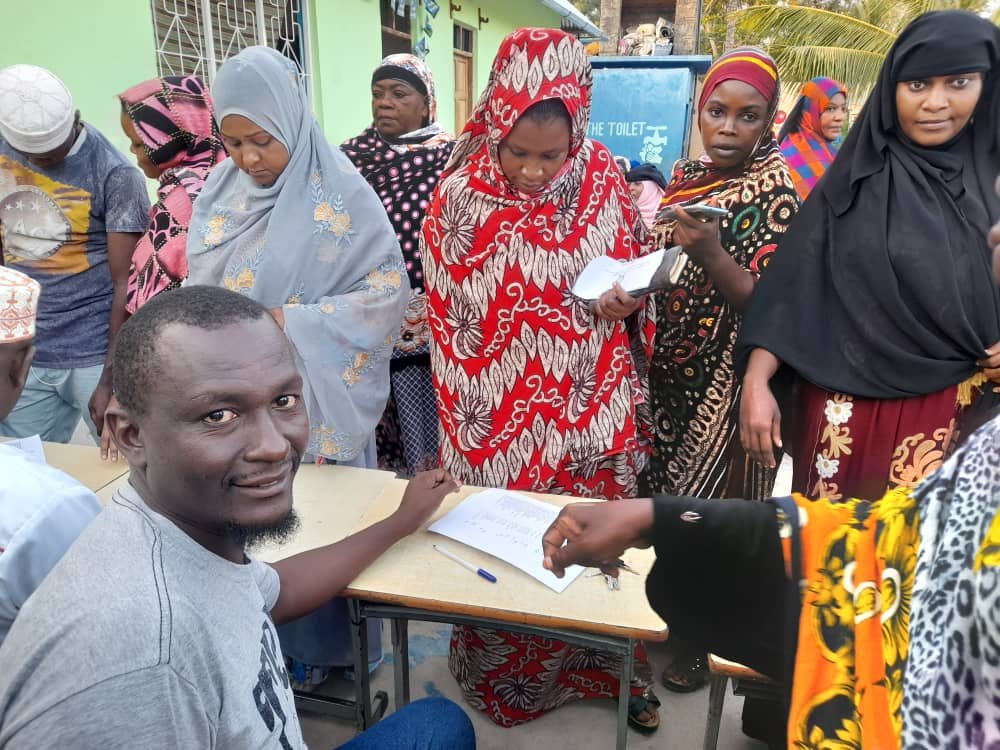
Here you are in Zanzibar, enjoying the beach and the sea. But perhaps you’d like to meet some of the local people, especially the women, to find out more about their lives, their school days, meet their families and hear about their dreams. But where to start? You don’t speak Swahili and maybe not many of the locals speak English. And it seems that most of the tour guides are men. We’d like to introduce you a group of young people who’ve been working hard at their English language skills since 2016. They’re the first students from their village to go to university in Zanzibar and they are committed to helping their families. They love meeting overseas visitors and finding out about their lives as well as talking about their own homes and families. 
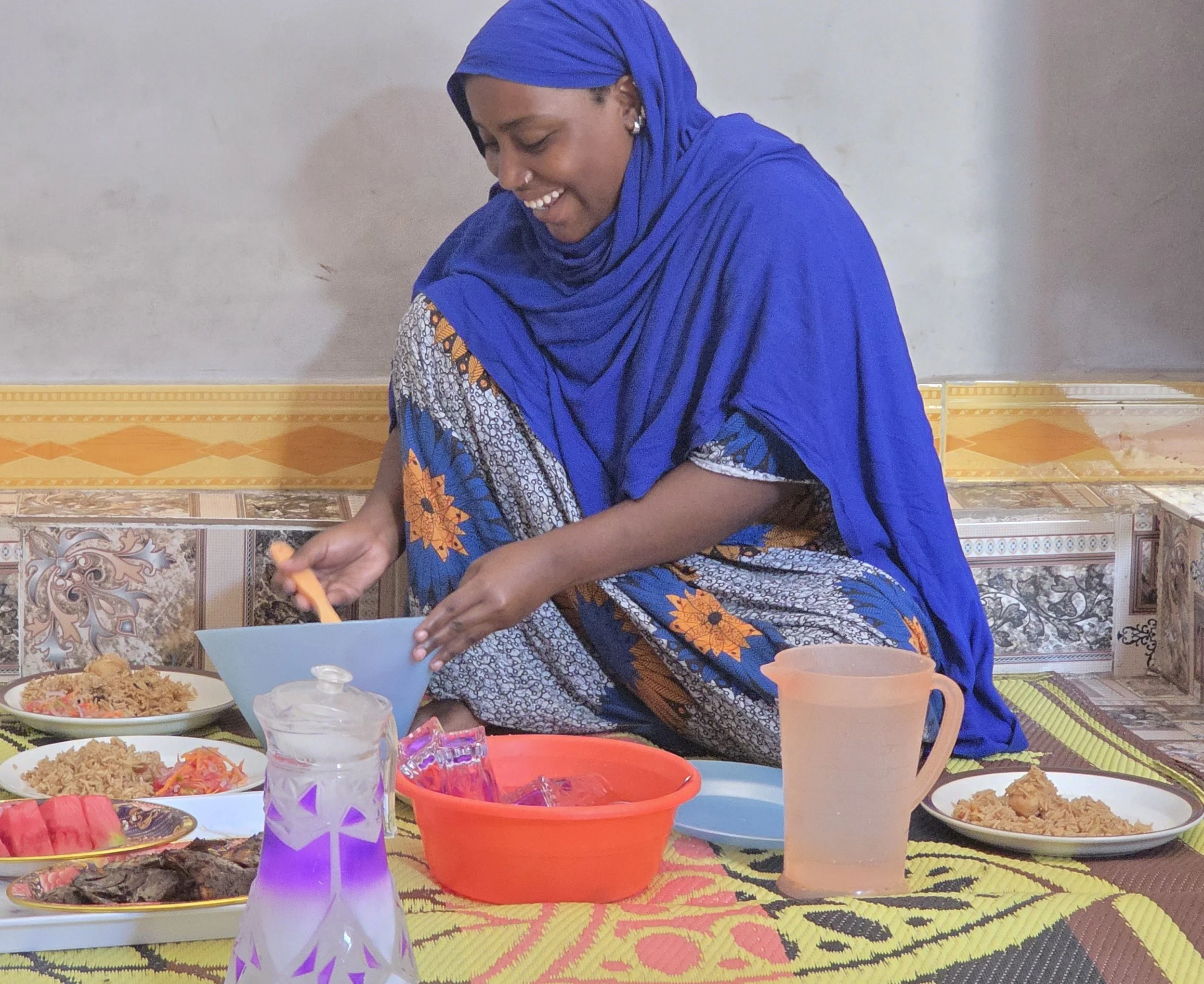
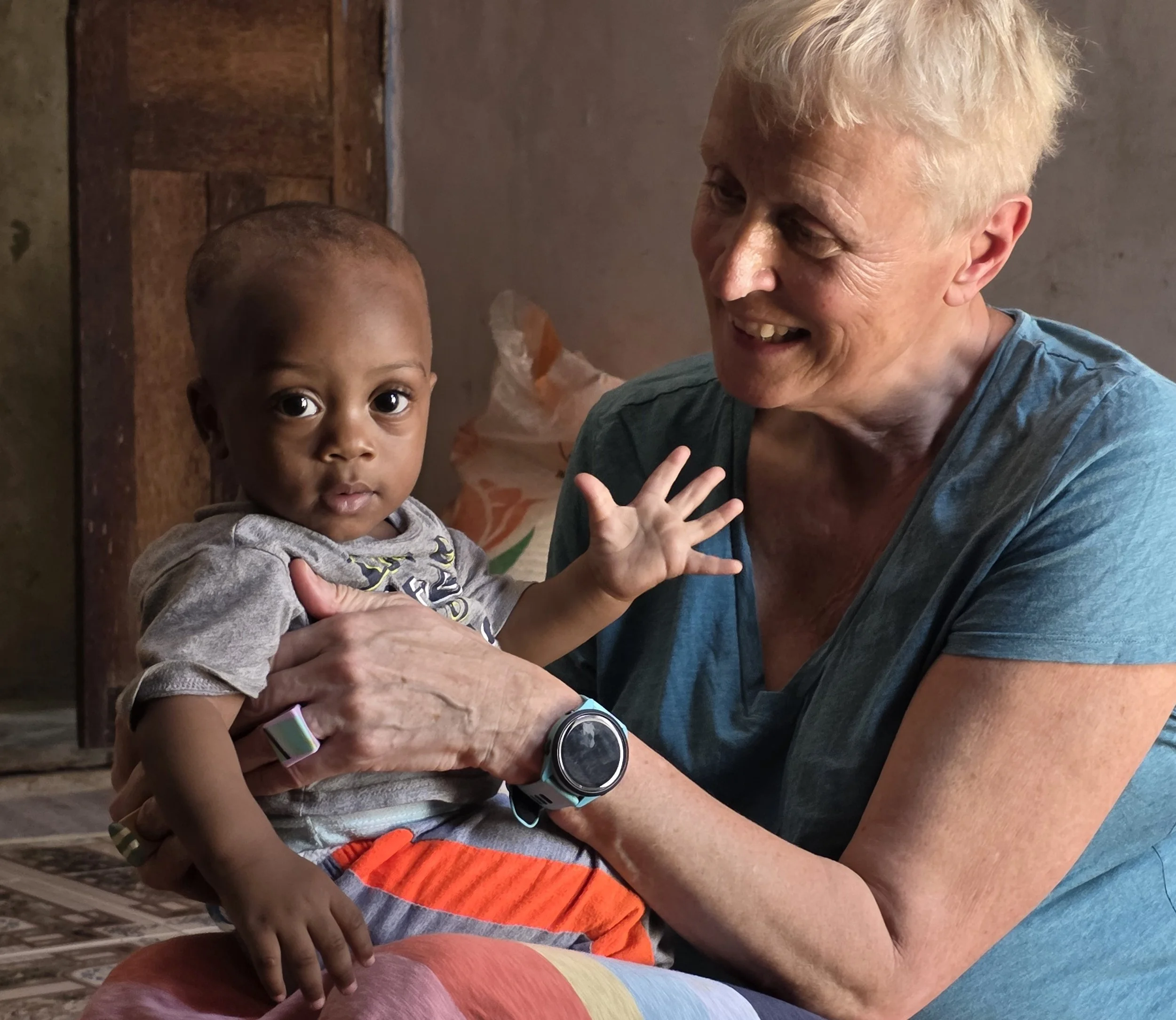
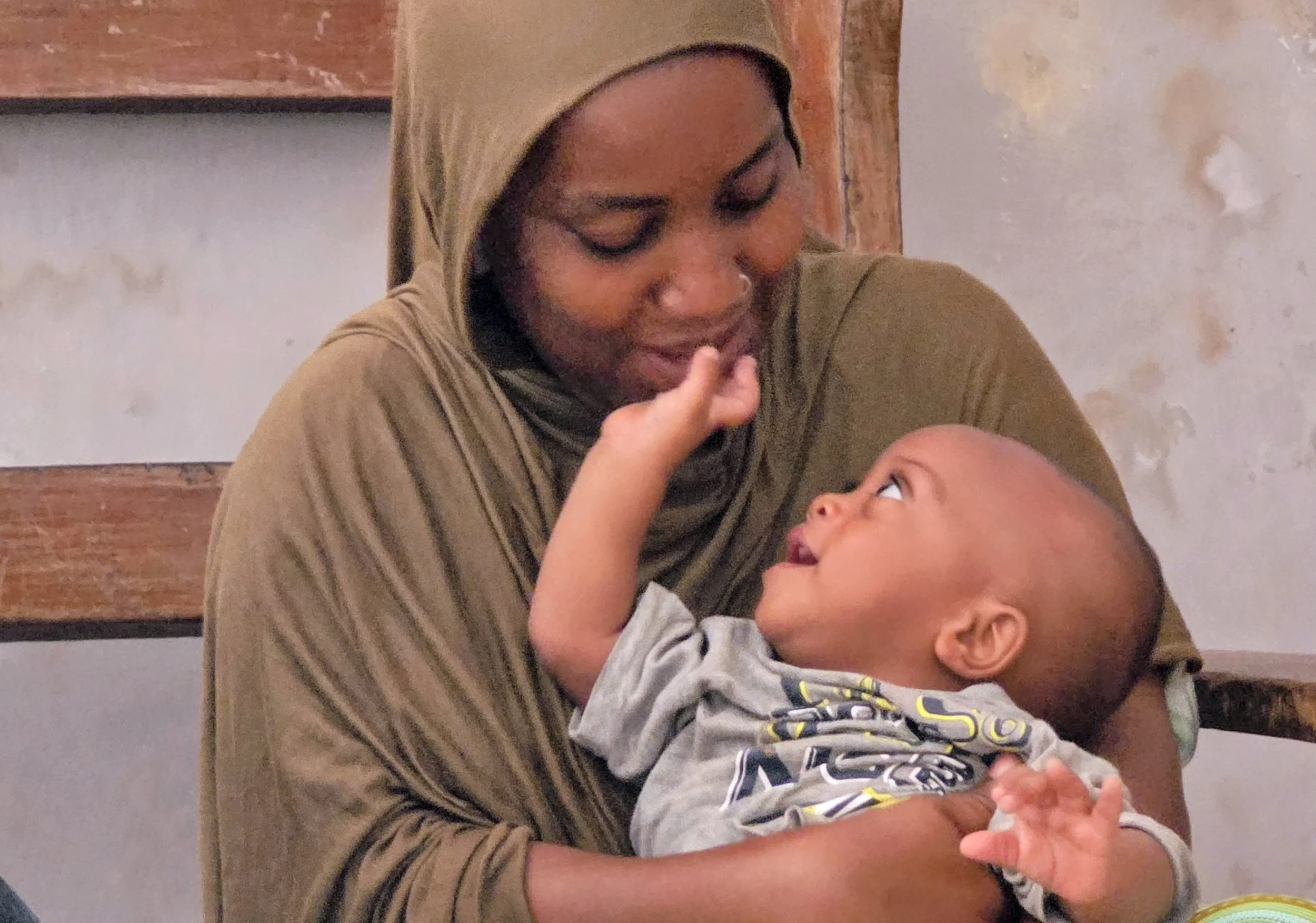
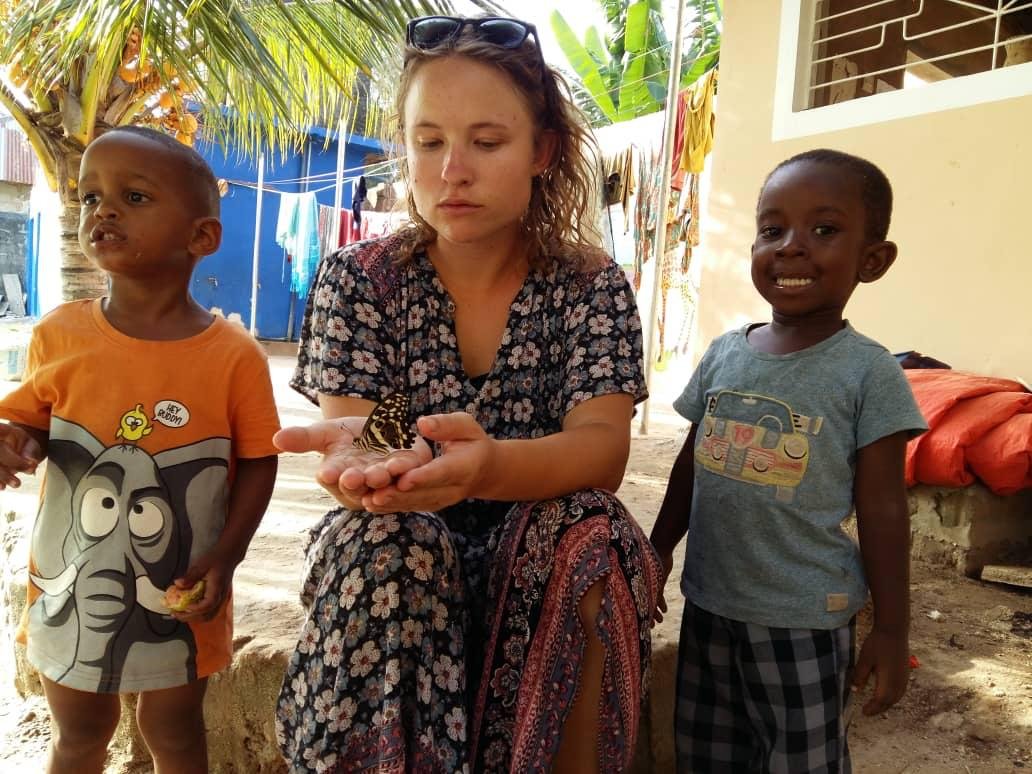
Lunch with the locals tour: You’ll be picked up from your hotel at 10.30 or 11am and taken to a village on the East Coast of the island. Our bilingual tour guide (English/Swahili) will introduce you to Mulhat, who will welcome you into her home. Mulhat studied Local Government at University and is now a young mother living with her extended family. Mulhat will give you insights into the lives of herself and her friends and introduce you to her friends. After welcome drinks and a chat, Mulhat will cook a delicious local lunch for you while her friend demonstrates the art of henna decoration. You’ll learn about Swahili Kanga culture and have the opportunity to try one on or buy one! After lunch there’s a walk around the neighbourhood to meet other young families and you can take photos with your new friends. You’ll get back to your hotel around 3.30 to 4pm.

Lunch with the locals: Tour lasts 5 hours and cost depends on pick up location. Please email ann.dieckmann0@gmail.com.

Fishing village and school tour: We offer a tour that will help you get to know more about the fishing village Unguja Ukuu and the people who live here. Unguja Ukuu is the ancient capital of Zanzibar and is one of the oldest trading posts along the coast where early Islamic influence came to the island. The tour includes the hidden cave where people have come for millennia to ask for help and leave offerings to the gods.  You’ll learn about a famous local, Mohamed wa Joka, who was famous for forseeing the future, finding lost children and working some remarkable magic. Along the way you’ll meet some of the villagers who work as farmers, shopkeepers and fishermen and visit a typical house and shop. Our tour guide/driver can collect you from hotels in Stone Town or the East Coast and there’s also the option to stop at Jozanzi Forest along the way.

Village Tour: Tour lasts 6 hours and cost depends on pick up location. Please email ann.dieckmann0@gmail.com.
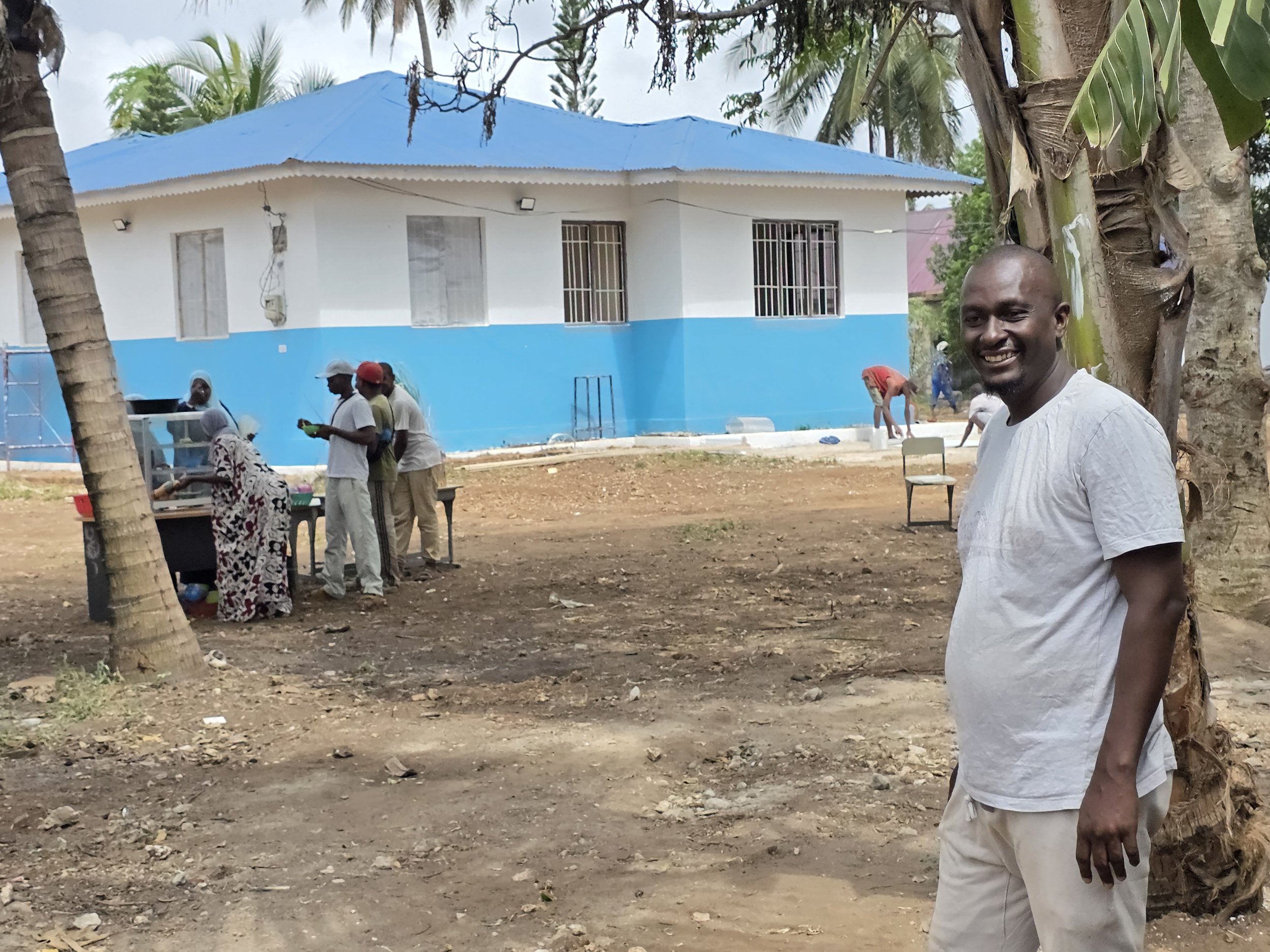

At last...disabled children can go to school

GasiCare opened in January 2026 and already has 30 disabled students enrolled. Click on the image below to find out more

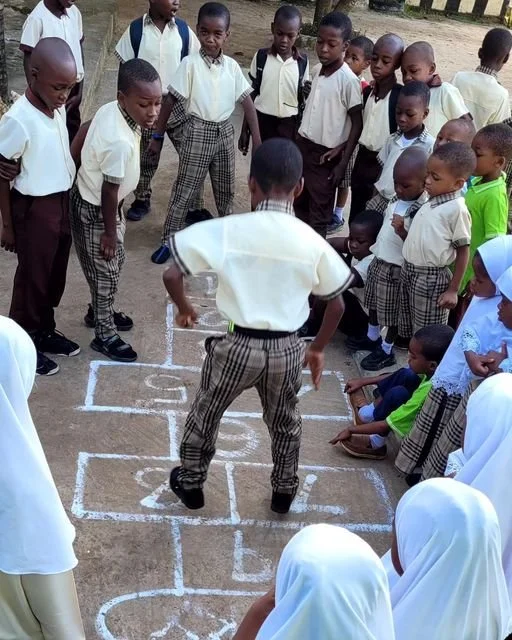
It's playtime in Zanzibar

Find out more about playtime in Zanzibar - click the image below

Volunteer stories

For the past 6 years we've been helping people from the UK, Canada, the USA, the Netherlands and Denmark to volunteer in Zanzibar. You might like to read their stories here and discover some of the common themes about what the volunteers enjoyed in Zanzibar, what they found frustrating and what they learnt about themselves along the way! Click on the image below to find out more.

Making a diffference....

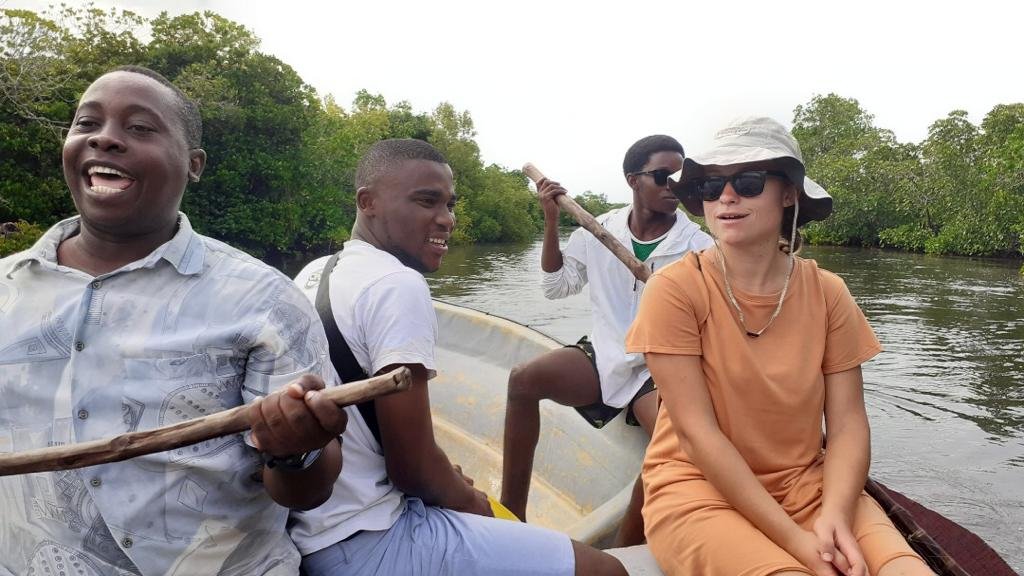
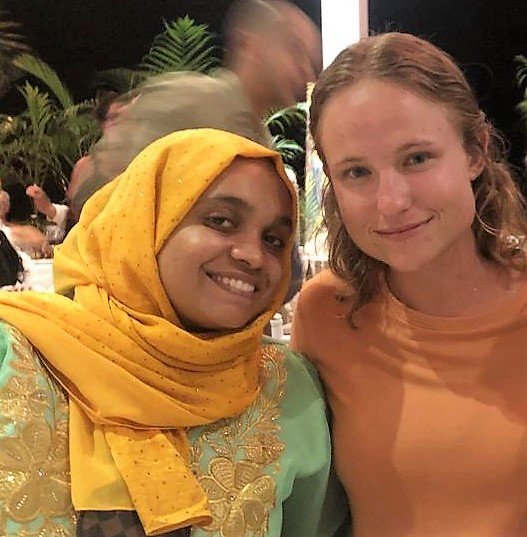
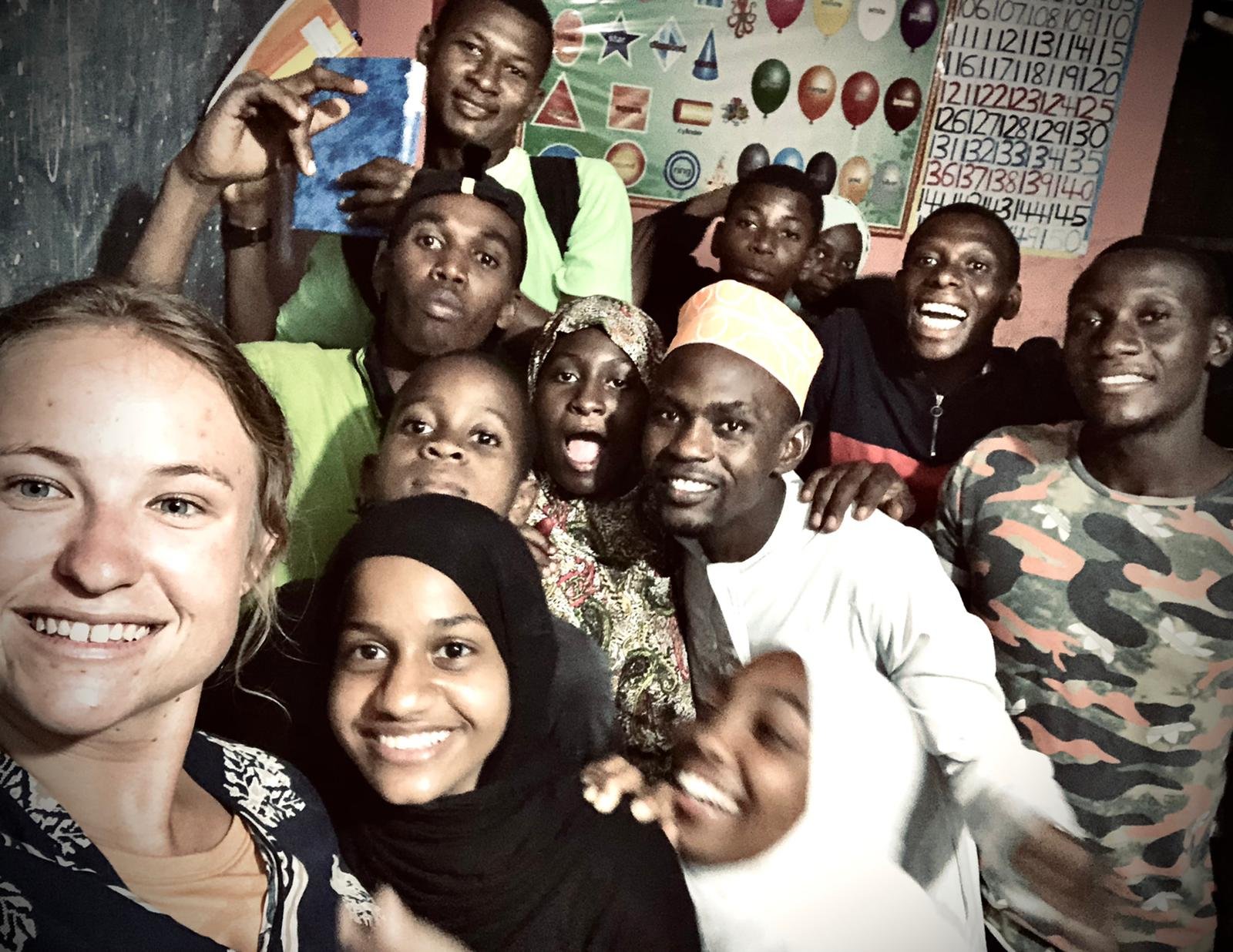
Claudia has just spent 2 months in Zanzibar. It was the first time that she'd travelled to Africa and she found the experience rewarding and life-changing. Claudia stayed at the volunteer accommodation at Heroes Community Academy, which is situated in an area where it's very rare to find a foreigner. Here Claudia answers some questions about her experience.


How did you hear about ZL4LF? A trusted contact who'd visited ZL4LF told me about the opportunity. I was really pleased not to travel through a commercial volunteer program as it made the experience more personal.
What did you enjoy about the experience? It was great to apply my knowledge of educational management in a place where it was so appreciated. Although I went with the intention of helping others, the insights I gained will help me in the future too. I enjoyed being around people who wanted to explore ideas with me and see how educational theories could work in such a different environment. I also found it particularly rewarding when students remembered what I'd taught them.
What did you enjoy least about being in Zanzibar? Where I stayed was a long way to the beach and the sightseeing highlights.
What did you get from the experience/how has it changed you? I've learnt that you need to strike out and push your boundaries to get what you want in life. What I've seen in my life already is 100 times more that what some people in Zanzibar can imagine and probably will ever experience. So, don't boast and remain humble in conversations and interactions with others.
What would you say to other people who are considering volunteering in Zanzibar? The heat will change you both physically and mentally. So take it easy and cool off/ drink even more water than usual. Go out and explore on your own or with another local or friend from town. If you only stay at the school, you won't discover the many aspects of Zanzibar culture. And remember, it's island life, so slow down and go with the flow!

Oskar Berelowitz - Volunteering in the time of Covid

In the midst of such a strange and difficult period for many, I feel blessed to have an opportunity like this. I was introduced to Gasica, the man spearheading these operations, and the director of Zanzibar Learning for Life (ZL4L) and Heroes Community Academy (HCA). His passion was transparent during our phone conversations and very soon I knew I wanted to be a part of his vision.

I landed in Zanzibar and immediately sensed its people had a soothing energy. Dazed in the massive heat, I was soon calmed through a series of ‘Hakuna Matata’s’ and Gasica’s warm welcome. The vibe of generosity and kindness has been a constant throughout my stay and it has really helped me to settle in. I live in the Zanzibar Learning for Life (ZL4LF) institution with some young natives who have been my personal tour guides around Zanzibar. It is clear that the Zanzibar people view themselves as an interconnected family. The value of family is a predominant feature of life here and everyone has helped in making me feel part of it.    

1.jpg

I noticed a difference in the attitude to learning once I’d started teaching at Zanzibar Learning for Life. From my own experience of school, I remember students could be a challenge for teachers to control due to poor attitudes. This has been far from my experience of classroom behaviour here. Instead, I found that students entered lessons with refreshing enthusiasm. This has made teaching far easier and more enjoyable for me, but more importantly, it taught me a lesson along the way. I feel as though ones education is treated as an absolute privilege out here and it taught me to appreciate and be grateful for access to my own academic studies. I perhaps overlooked these opportunities in the past, but this experience has allowed me to take a renewed, introspective view of myself.

I quickly became accustomed to hearing “Mambo Mzungu” from passing Zanzibaris. A colleague explained that the term of address refers to Caucasian tourists who come to visit or travel the island. I later read that its literal translation is ‘wanderer’, and it is widely adopted even among locals as a term of respect.

The kids at HCA seem particularly curious of me, and particularly of my hair. Just recently I was planning to get a haircut here but reconsidered when I thought the pupils would be upset at this decision. Everyone inside and outside the classroom has a universal fascination with ‘wanderers’ and the vibes are always of love.  

2.jpg

The collective achievements of Gasica and the entire HCA and ZL4LF family are remarkable. As HCA embarks on its second academic year, there are several new project proposals in the pipeline. I’ve been particularly taken by the determination of Gasica to not only sustain this fantastic project, but to build and expand on it. For instance, we’re currently discussing the possibility of creating our own allotment space at both institutions. Remaining ecologically sound is an ethic Gasica and I want to foster and we believe this new project will be beneficial to our sustainable goals and vision. New ideas bounce around every day, and it’s been a pleasure to be involved in these exciting developments.   

3.jpg